Blog

Credibly reintermediate backend ideas for cross-platform models. Continually reintermediate integrated processes through technically sound intellectual capital.
la-membrana-amniotica-1200x600.jpg

7 September, 2020 Newsof Tissue

Its main application is in burned patients, the patient when attacked by acid or by any substance that generates burns, loses its major defense which is the skin and is exposed to infections.
The donation of amniotic membrane, which is the placenta itself and comes from pregnant mothers with prior informed consent. Amniotic membrane is usually a biosecure tissue that undergoes cremation,
our goal is to avoid it and take the amniotic membrane, which has many benefits, at the IDCBIS District Tissue Bank, we are optimizing it for patients with burns, ophthalmologic injuries, etc., and we are using it for the treatment of patients who are in need of treatment.
(corneal lesions) and we are about to publish its application for dentistry with different oral mucosal lesions, its uses are multiple.
By donating the membrane you help thousands of patients to improve their quality of life.


el-banco-distrital-de-tejidos-idcbis-recibe-la-orden-civil-al-merito-1200x600.jpg

7 September, 2020 NewsAwards

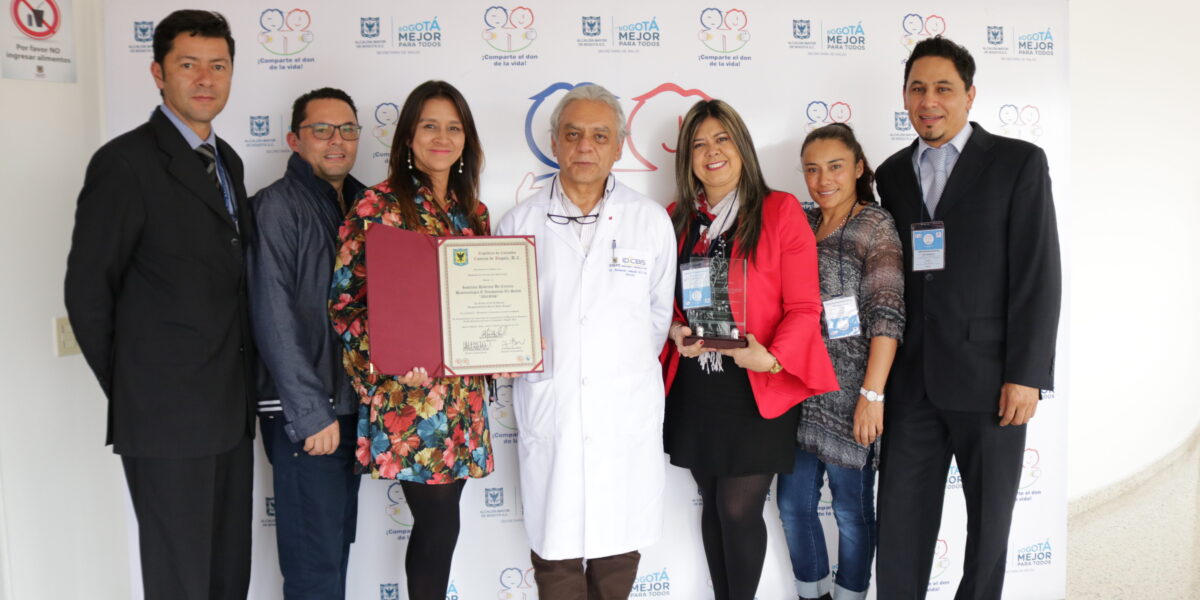
The District Health Secretariat and the Council of Bogota awarded the order 'Social Responsibility Donate Bogota', to natural and legal persons committed to the donation of human organs and tissues in the Capital District.

The District Tissue Bank IDCBIS was awarded second place in Category 2: Promotion of donation for transplant purposes.

Likewise, the District Health Secretariat and the Council of Bogota made a special recognition to the institutions: Corporación Banco de Ojos de Colombia (Cobancol), Fundación Cosme y Damián and the Instituto Distrital de Ciencia, Biotecnología e Innovación en Salud (IDCBIS), for their contribution in the promotion and operational management of organ and tissue donation for transplantation purposes, in 2017.

For 9 years, this initiative has recognized and honored people who encourage and promote, through awareness-raising activities, the donation of organs and tissues for transplant and implant purposes, and who support transplant patients.

During the first quarter of 2018, the District Health Secretariat managed the donation of 81 organs, corresponding to cadaveric donors (57 kidneys, 18 livers and 6 hearts), with which an equal number of patients were transplanted. Likewise, 31 living donor transplants were performed (21 kidneys and 10 livers).

The District Health Secretariat also reported that so far this year it has received 7 organs (4 kidneys and 3 livers) for transplant from other regions of the country, for a total of 83 beneficiaries.

IDCBIS, passion for science and life.


compartimos-a-toda-la-sociedad-el-manifiesto-desafios.jpg

7 September, 2020 News

We would like to share with the entire community the Manifesto Challenges 2030 for science, technology, education and the environment.

About the Manifesto: Convened by the Colombian Academy of Exact, Physical and Natural Sciences with the purpose of reflecting on the opportunities that we have as a country and thinking about now, but especially in the following decades; 31 academics with different expertise and backgrounds met in Paipa, Boyacá, during January 26, 27 and 28, 2018. The discussion focused on four main axes: science and technology, education, environment and royalties.


Science Manifesto Challenges


7 September, 2020 CongresoNews

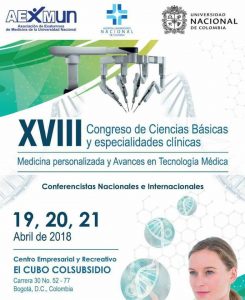
Dr. Bernardo Camacho, director of the IDCBIS had the honor of participating along with Professor José Félix Patiño and Professor Juan José Yunesen in the inaugural conference of the XVIII Congress of Basic Sciences and Clinical Specialties, organized by the Association of Former Medical Students of the National University, AEXMUN, which is being held at the facilities of the Centro Empresarial y Recreativo El Cubo Colsubsidio in the city of Bogota.

The director of IDCBIS presented the conference entitled: Capacity Building in BioMedical Research: Experiencia del Instituto Distrital de Ciencia, Biotecnología e Innovación en Salud- IDCBIS. There, the audience was informed about the Centralized Model in research and provision of services in Blood, Tissue and Cell Banking.

The lectures and papers presented at this congress are part of the theme: "Personalized Medicine and Technological Advances". "Two very ambitious topics, if we take into account that one encompasses the field of healthcare that individualizes medical care based on the unique information that each individual possesses, and at the same time allows individualizing the path for its management."This was stated by Dr. Oswaldo Borráez, Director of the National University Medical Alumni Association, AEXMUN.

You can learn more about the event at:


aexmun.org.co/xviii-congreso


investigadores-la-universidad-miami-idcbis-firman-convenio-cientifico-1200x600.jpg

7 September, 2020 AgreementsNews

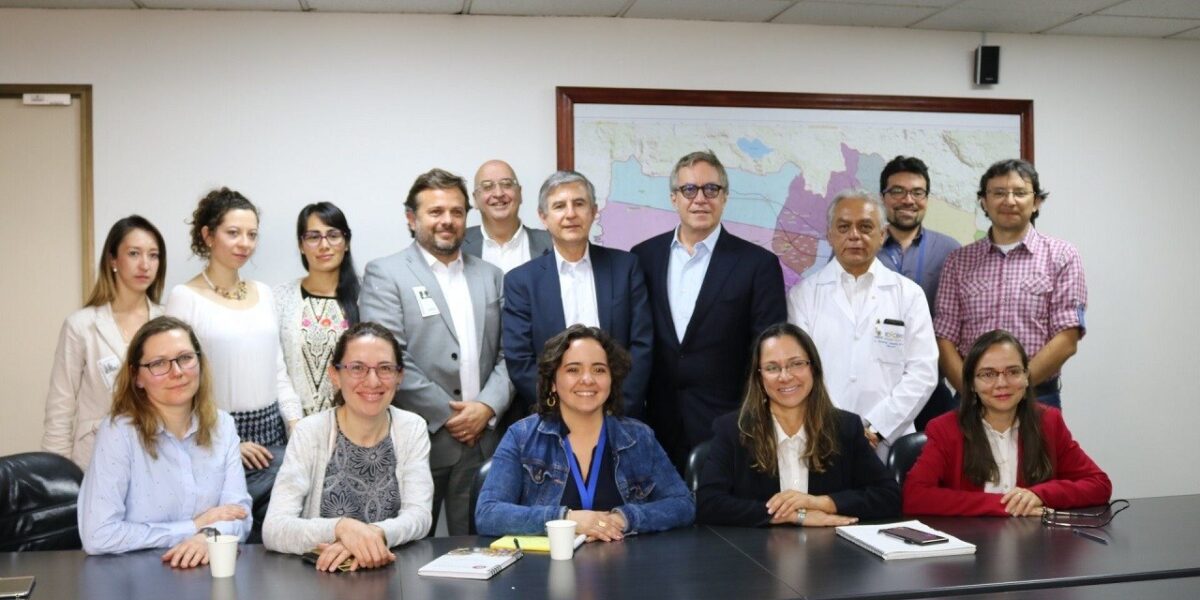
A group of prestigious researchers from the University of Miami and the Instituto Distrital de Ciencia, Biotecnología e Innovación en Salud (IDCBIS), of the Mayor's Office of Bogota, are working together on the treatment of type I diabetes in Colombia.

Camillo Ricordi, Director of the Diabetes Research Institute; Diego Correa, Assistant Professor at the Miller School of Medicine of the University of Miami; Bernardo Camacho, Director of IDCBIS and Luis Gonzalo Morales Sánchez, Secretary of Health, met in the country's capital to exchange knowledge and experiences on the treatment of the disease.

"These prestigious scientists will share with us successful techniques and technologies for the transplantation of pancreatic islets in Type I Diabetes; what we are looking for is that patients, especially children and adolescents are not dependent on insulin and have a better quality of life," explained Bernardo Camacho, director of the IDCBIS.

In the last decade, important clinical evidence has been generated that shows the safety and efficacy of this treatment based on cell therapy, especially from the experience of the Diabetes Research Institute (DRI) of the Miller School of Medicine of the University of Miami. This group, led by Dr. Camllo Ricordi, has been the world pioneer in pancreatic islet transplantation, with more than 25 years of experience in the application of this procedure.

Pancreatic Islet Transplantation can be improved ostensibly with the help of other therapies, on which the Cell Therapy Unit of IDCBIS is working.


celulas-mesenquimales-1200x600.jpg

13 April, 2020 Cells

Researchers from the Advanced Therapies Unit of IDCBIS advance in the research on the biology of mesenchymal cells and their possible applications in medicine, with the aim of improving the quality of life of patients with different conditions.

Why are these cells causing interest in the medical world?

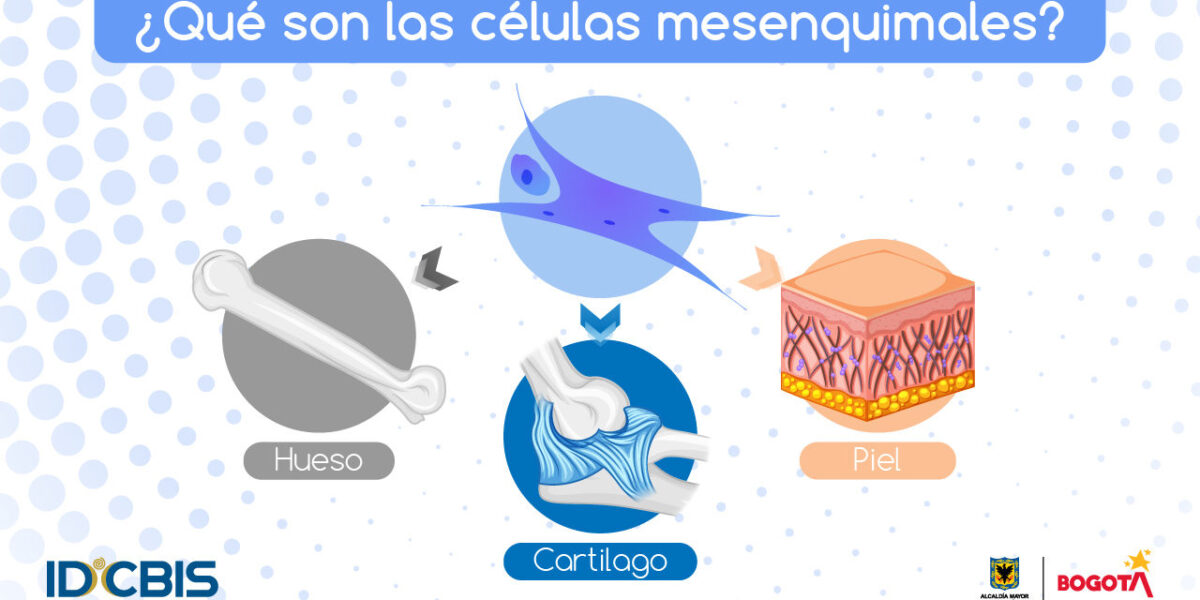
Mesenchymal cells are actively involved in the repair and regeneration of some tissues such as bone, cartilage and skin. These cells can multiply artificially in a suitable environment and specialize according to the stimuli they receive to achieve their reparative effect.Mesenquimalv4

Impressive, isn't it? And these cells are in your body right now.

In IDCBIS laboratories, scientists investigate the properties of mesenchymal cells in controlled environments. There are still many questions to be answered about mesenchymal cells, so our team of researchers is studying them, modifying them, controlling them and developing technologies that will allow them to be used in the future as drugs to improve the lives of patients.

One of their characteristics is that they are immunomodulatory cells.


The capacity of these cells to regulate the immune system has been scientifically proven, and when activated in excess, it can affect a person's health.

La artritis reumatoide es una enfermedad en la cual nuestro propio sistema inmunitario ataca diferentes estructuras y tejidos del cuerpo, produciendo dolor e inflamación crónica. A partir de la investigación que se adelanta en la Unidad de Terapias Avanzadas del IDCBIS se busca aprovechar la capacidad de regulación inmunológica de estas células, buscando en un futuro próximo poder aplicarlas en pacientes con esta enfermedad, en especial en aquellas personas que no responden a las terapias convencionales disponibles.

Their possible use in the treatment of some autoimmune diseases such as RA, systemic lupus erythematosus or multiple sclerosis, among others, illustrates the potential of these cells (which we will talk much more about in future articles).

In other words

These cells multiply and grow, they also develop and specialize. While some generate bone tissue, others can produce muscle or cartilage tissue. We can compare their development to that of a community of people where individuals multiply and grow, but specialize in a function to contribute to the community, while some become engineers, others become sociologists or doctors, etc.

Did you know that there are cells that specialize in creating our blood? You can learn more about them at www.idcbis.org.co/darcelulas.

Our objective with this article is to let you know some important facts about the research that is taking place today in the city of Bogota with this type of cells. There are many more interesting characteristics and details about mesenchymal cells and in general about the technological advances that make possible the development of products based on cells with medicinal properties.

Below you can see what the mesenchymal cells look like. Photograph taken in our laboratory, where they are observed with fibroblastoid shape adherent to the plastic of the culture flask.

IMG Microscopio

If you liked this content and would like to know more, we will gladly listen to your comments through our social networks. Follow us on Facebook, Twitter, Instagram, Youtube y LinkedIn as @IDCBIS


donar-sangre-es-seguro.jpg

25 March, 2020 Newsof Blood

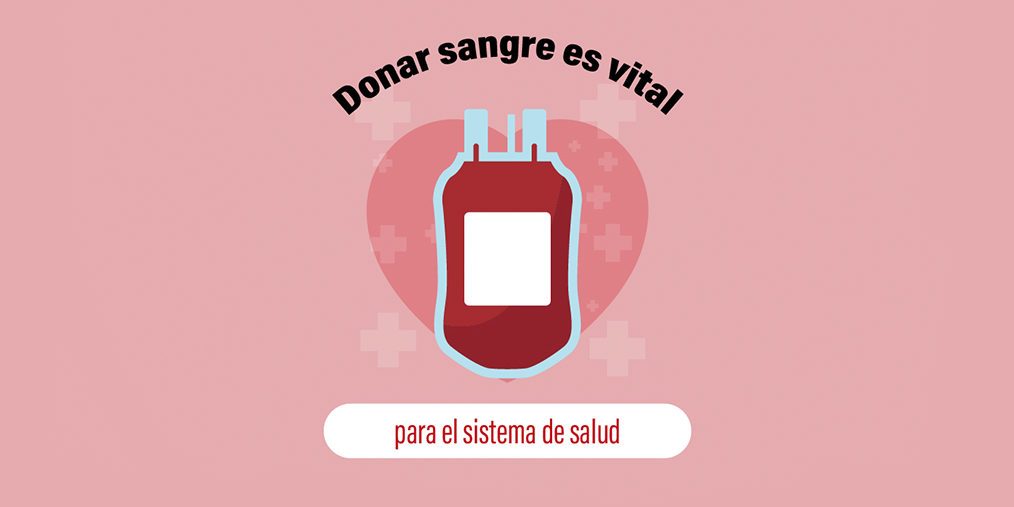
The need for blood components in the public health system does not stop and the District Blood Bank IDCBIS, linked to the District Health Secretariat of Bogota, has taken some actions to maintain reserves that will improve the lives of many patients.

Those interested who register in the following form will be contacted to be scheduled and picked up at their homes. They will be able to make the donation at the headquarters of the IDCBIS District Blood Bank, and once the process is completed, they will be taken back to their homes.

One of the most frequently asked questions due to the current situation in coronavirus control is: is donating blood safe? The answer is yes.

The professionals of the District Blood Bank follow biosafety standards such as the use of gloves, gowns, caps and masks; the supplies are sterile and the donation areas are constantly disinfected. These measures are not new, as they have always been essential in the collection process.

Additionally, crowds are avoided at the donation points and any doubts that may arise during telephone or email contact with donors are solved. There are also open channels of communication with the public on social networks: Facebook, Twitter and Instagram as @IDCBIS.

The donations that have been made so far are of great importance, since they allow maintaining reserves of vital blood components for patients in public hospitals in the district. Different clinical situations such as complications in childbirth, treatment of serious blood diseases, surgeries, among others, require blood components in certain conditions.

The call for generous, supportive and altruistic blood donors is extended so that we can face the decrease in the collection due to the measures that are being carried out in the capital.

Donation requirements

- Men can donate every 3 months and women every 4 months.

- Present an identification document

- Be between 18 and 65 years old

- Minimum weight 50 kilos

- Not having had flu symptoms such as: fever, cough, body aches, sore throat, in the last 15 days.

- Not having suffered from hepatitis after 10 years of age

- Not having ingested antibiotics in the last 15 days

- Not having ingested antiparasitics in the last 30 days.

- If you have tattoos, permanent makeup or piercings, more than 6 months have passed since their application.

- Not pregnant

- If you are breastfeeding, that your son or daughter is older than one year.

Myths of blood donation

- Fear of lowered defenses

Blood donation has no negative effect on the immune system. 

- Fear of gaining or losing weight

The act of donation is not related to weight change. However, the person believes that in order to replenish the extracted blood, he/she must increase food intake, which is not necessary.

As a recommendation, a balanced diet rich in iron-containing foods should be followed after donating.

- Fear of becoming anemic

Hemoglobin is tested prior to donation. Red blood cells are replenished in approximately 120 days.

It is recommended that the donor complies with the established times between each donation and eats a balanced diet.

Fear of fainting or becoming weak

Normally the body compensates for the volume of blood withdrawn, if the person is in good health and complies with the donation requirements and has no physiological alterations.

It is recommended to drink at least 400 ml of water before the donation and to continue drinking enough liquids on the day of the donation.

Register as blood donor by clicking here!

donantes-inagotables.jpg

6 November, 2019 Investigationof Blood

Donate blood when it is needed most

On October 30, the District Blood Bank IDCBIS started a new blood donation program called Inagotables. This program seeks to respond to the need to collect blood components, which increases in the middle and end of the year.

The mission is to find committed blood donors, since they would be the ones who, with their donations, would become a hope for the patients at the moment when they need it the most.

The idea was born from the District Blood Bank IDCBIS because, with the experience of more than 17 years supplying the needs of blood components in the network of public hospitals in the District, it is known how much the reduction in blood donations during the holiday season can affect patients.

Considering that it is recommended to donate blood every 6 months, it is expected that the Inagotables will donate blood twice a year. This would occur right at the time of greatest need. 

It is expected, with the consolidation of this altruistic community, to contribute to the knowledge of the culture of donation and combat the myths that exist around blood donation with some messages that will be transmitted in the digital media of the District Institute of Science, Biotechnology and Innovation in Health, IDCBIS.

The registration process consists of entering www.idcbis.org.co/inagotables, the goal is to get more information and fill out a questionnaire, so that the person who completes the process is committed to donate blood on the date of greatest need. Whoever completes this process could be scheduled for the next blood donation day.

The team of collaborators of the District Blood Bank IDCBIS continues its daily work of approaching different communities to fulfill the mission of getting blood components to patients in need of transfusion. So if someone wants to make their blood donation immediately, you can consult the days at https://idcbis.org.co/banco-distrital-de-sangre/


Logo a color IDCBIS Centro de investigación reconocido por minciencias r-1763-2021

PASIÓN POR LA CIENCIA Y LA VIDA


en_USEnglish
Pago rápido
Pague sus facturas aquí.
Skip to content